


Double Donor (Egg + Sperm Donor)
Updated: Jul 28
Double donor treatment offers extremely high success rates, a simpler treatment process, and a new beginning for people whose fertility journey has been long, difficult, or filled with repeated heartbreak.
But it also comes with many questions, and emotions.
1. What Is Double Donor Treatment?

Double donor means the egg comes from a donor and the sperm comes from a donor. You (or your partner) carry the pregnancy
The resulting embryo isn't genetically related to either parent, but you still grow the pregnancy, nourish the baby, give birth, and bond through every moment. Sometimes called embryo creation with donors, dual donation, or double donation IVF.
It differs from donor embryos because donor embryos already exist, while double donor embryos are created specifically for you using two chosen donors, meaning more control, more choice, and often better medical screening.
This means more control, more choice, and often better medical screening.
2. Who Double Donor Is Helpful For
Double donor is an incredibly loving path for people who:
✔ Have severe egg + sperm factor
Low egg reserve + severe male-factor issues
✔ Have had repeated failed IVF cycles
Even with donor eggs or donor sperm
✔ Are single women
Wanting the highest chance of success
✔Are single women who prefer not to use their own eggs
Due to age, genetics or previous cycles
✔ Same-sex female couples needing donor eggs
(e.g., both partners unable to provide eggs)
✔ Couples where both carry genetic conditions
That could harm a child
✔ Women with premature ovarian insufficiency + partner with sperm issues
✔ Women wanting the highest success rates with the least medical complexity
Double donor removes the biological obstacles entirely and provides a fully optimised pathway to pregnancy.
3. The Double Donor Process (Step by Step)
1. Consultation & medical review
You discuss fertility history, your goals, donor preferences, treatment timelines and legal and counselling requirements
2. Choosing an egg donor
You can select through:
UK clinic donors
Spanish/Greek/Czech/Cyprus clinics
US egg banks
known donors (with counselling)
Profiles may include:
Physical characteristics
Genetics
Education
Personality
Childhood photos (depending on country)
Medical history
Interests
3. Choosing a sperm donor
Often through clinic donors or international sperm banks (e.g., European Sperm Bank, Cryos, Fairfax)

Profiles may include:
Physical traits
Medical history
Hobbies/interests
Baby/adult photos (depending on laws)
Audio interviews (in US/Denmark banks)
4. The donor egg retrieval cycle
If using fresh eggs, the donor undergoes stimulation and retrieval.
Frozen eggs skip this step.
5. Fertilisation of the eggs
IVF or ICSI is used, depending on sperm type and clinic preference.
6. Embryo development & grading
Your embryos grow for 3–5 days, then the clinic updates you.
7. Embryo transfer (FET)
A medicated cycle with oestrogen and progesterone, or a natural transfer, identical to standard transfer procedures.
8. Pregnancy test
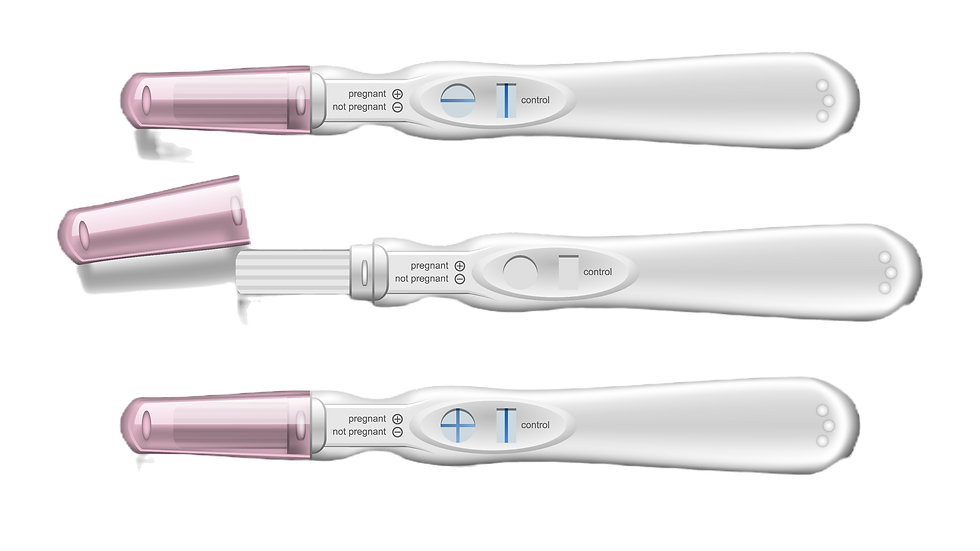
10–14 days later.
4. Success Rates With Double Donor
Double donor has the highest success rates of any IVF pathway, because egg donors are young, healthy and screened, sperm donors have excellent parameters, and embryo quality is usually high.
Typical success rates run 80-95% chance of pregnancy within one to three transfers.
5. Emotional Considerations (the most important part)
Choosing double donor can come with a complex mix of emotions.
People often feel:
Grief about the loss of genetic connection
Worry about bonding
Fear of judgement
Anxiety about future conversations with the child
Confusion about choosing donors
Sadness about the journey not looking like they imagined
Hopefulness and relief about high success rates
Excitement about a clear path to a baby
These emotions can coexist - and that’s absolutely normal.
The beauty of double donor is that you still carry the pregnancy, bond from the earliest moments, influence your baby epigenetically, and create a family built on intention and love. Parents often say afterward:
"The genetics stopped mattering the moment I held them."
6. Choosing Donors: What People Consider
Every person prioritises different qualities.
Some common factors include:
Egg donor considerations:
Physical resemblance to recipient
Ethnic background
Family medical history
Proven fertility
Personality
Education
Childhood photos (US/abroad)
Carrier screening results

Sperm donor considerations:
Physical traits
Audio interviews
Childhood photos
Hobbies/interests
Personality traits
CMV status
Medical history
Anonymity vs open-ID
Many people describe a moment where a donor “just feels right.”
7. Anonymity & Identity Rules
Double donor treatments follow the laws of the country where the donation occurs:
United Kingdom
Donors are identity-release
Children can request donor identity at age 18
Psychological counselling required
No anonymous donation through licensed clinics
Spain / Slovakia / Czech Republic
Donation is anonymous
Physical matching done by clinic
No identifying information disclosed
Very popular for double donor cycles
United States
Wide choice of donors
Can choose anonymous, open-ID, known, or semi-open
Adult photos often available
Largest range of profiles
8. Costs of Double Donor Treatment
Costs depend heavily on country:
UK
£12,000–£20,000+ depending on donor origins and number of eggs
Europe (Spain, Greece, Czech, Cyprus)
€7,000–€14,000
(Often significantly cheaper, especially when using an in-house donor)
USA
$30,000–$60,000
(Especially with bespoke donor programs)
Despite costs appearing high, double donor cycles often require fewer attempts, making it more cost-effective for many.
9. Counselling Requirements

Most countries require counselling before double donor treatment.
This helps process grief, discuss openness with future children, explore identity-release considerations, talk through couple dynamic and to ensure emotional readiness
Patients often find these sessions invaluable.
In summary
Double donor treatment offers the highest IVF success rates, a clear and hopeful pathway for complex fertility challenges, the opportunity to carry and birth a child, a loving family built with intention, flexibility in choosing donors, and a medically safe, emotionally rich route to parenthood.


Comments